
*This post may contain affiliate links for which I earn commissions.*
Dolomites & South Tyrol Travel Guide:
The Complete Insider’s Guide to Trentino-Alto Adige
You step out onto the balcony somewhere in the Val Gardena and the cold hits you before anything else. Sharp, clean, pine-scented. Then the peaks. Pale limestone spires cutting against a sky that has no business being that blue. At dusk the rock turns pink, a deep burning pink that has no equivalent in any other landscape. The local Ladin people call it Enrosadira. No other word gets near it.
This is not the Italy most people picture. The road signs are in German as well as Italian, sometimes German first. The buildings are timber with steeply pitched roofs. The food runs to speck and knödel and venison slow-cooked in Lagrein. The towns feel closer to Innsbruck than to Naples. Come here for the mountains, the wine, the silence above the treeline, and the unusual pleasure of a region that has been fought over by two cultures for centuries and eventually just became both.
What to See
Lago di Braies at sunrise
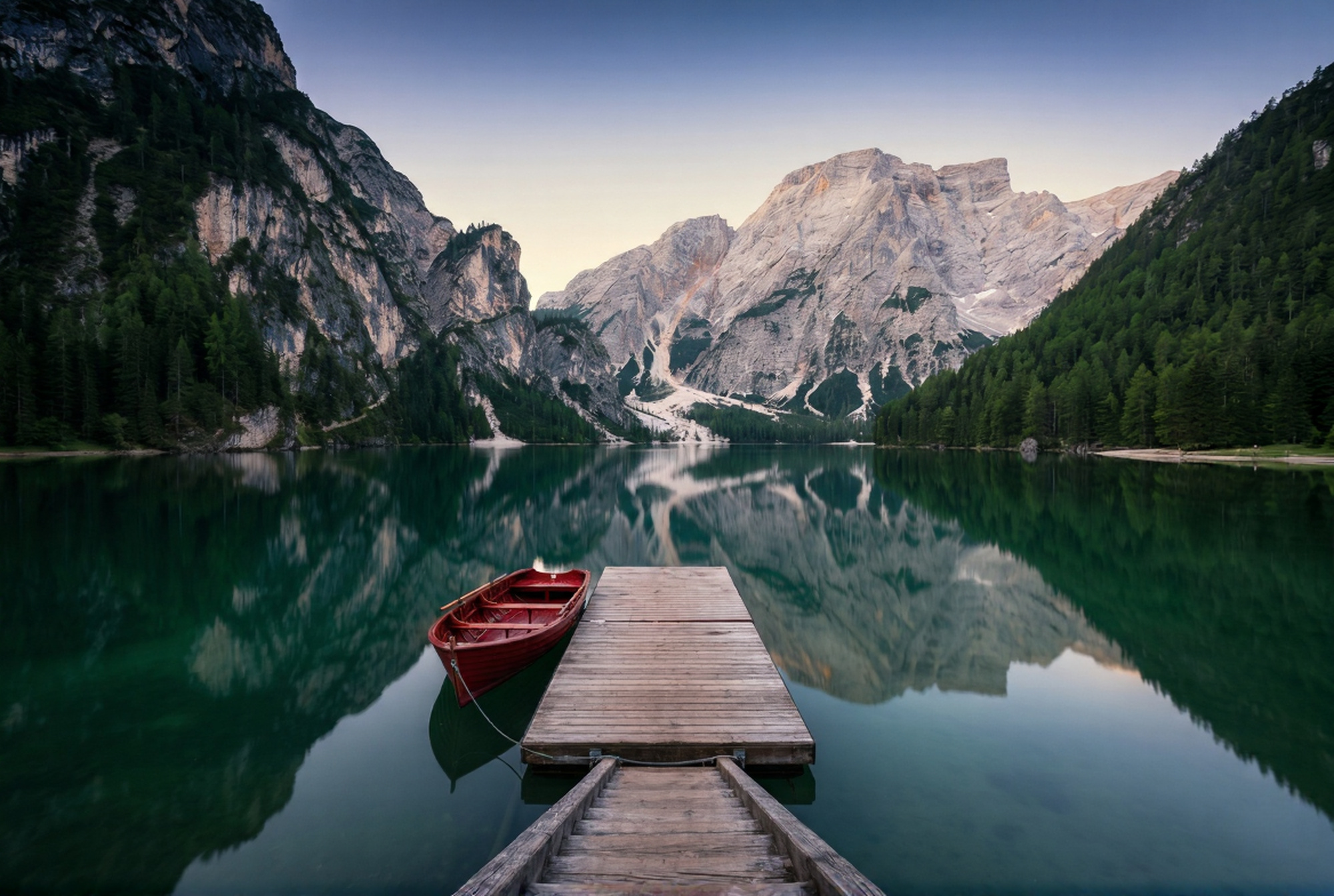
You have seen the photograph. The wooden dock, the red rowboat, the pale peaks reflected in the green water. In person it is exactly that and then some. On a still morning when the reflection is sitting perfectly, it stops you cold.
The problem is everyone else has seen the same photograph. In July and August the car park fills before seven and the dock turns into a queue. Go before sunrise. The light in that first hour is different from anything later in the day, and you will have the lake more or less to yourself. By nine you will not. If the early start matters to you, book a room in the valley the night before. The two-hour drive from wherever you are staying at four in the morning is no one’s idea of a good time.
Alpe di Siusi, the high plateau
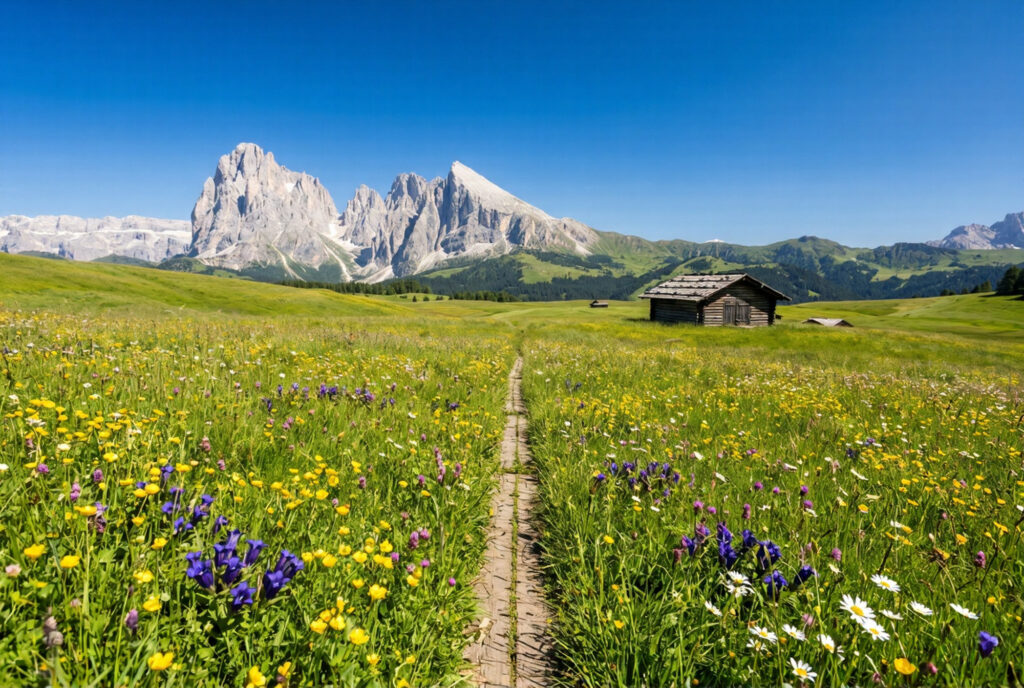
Take the gondola from Ortisei or Siusi — private cars are restricted in summer — and step out onto a plateau the size of a small country. Two thousand metres up, wildflowers in every direction, the Sassolungo and Sciliar massifs rising at the far end. In winter it is one of the great cross-country skiing landscapes in the Alps. In summer it is something else: slow, expansive, the kind of place that makes you want to just walk and stop talking.
Give it a full day. Bring a proper layer regardless of how warm the valley felt when you left. The temperature up there shifts fast and the afternoon thunderstorms in July and August do not give much warning.
Bolzano’s old city and Ötzi the Iceman
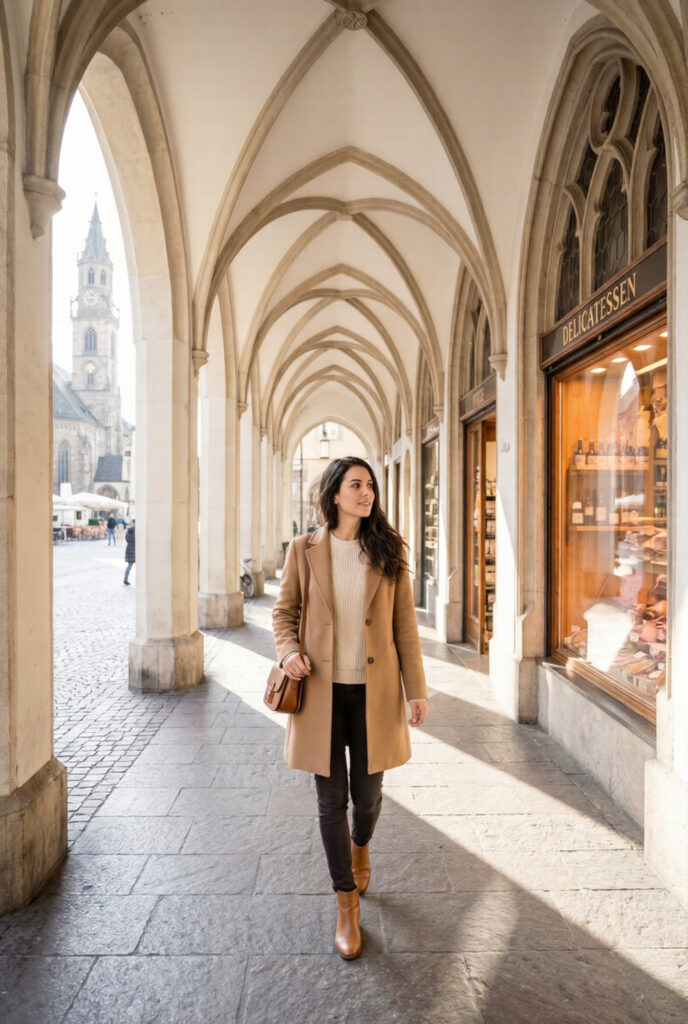
Bolzano is the capital of South Tyrol and the most interesting city in the region. The Lauben, the covered Gothic arcade that cuts through the medieval centre, feels more Tyrolean than Italian. The Saturday market under the arcades is worth a morning: speck, mountain cheeses, honey, the particular pale Gewürztraminer wine that comes from the valley below.
The South Tyrol Museum of Archaeology on the Via Museo has Ötzi the Iceman. He is 5,300 years old, found in 1991 frozen in a glacier on the Austrian border, and kept now at minus six degrees behind a small refrigerated window. The museum around him is genuinely gripping: his tools, his clothing, the contents of his last meal, the forensic work that has rebuilt his final hours in unusual detail. Two hours is the right amount of time. No advance booking needed on most days.
The wine roads of Caldaro and the Strada del Vino
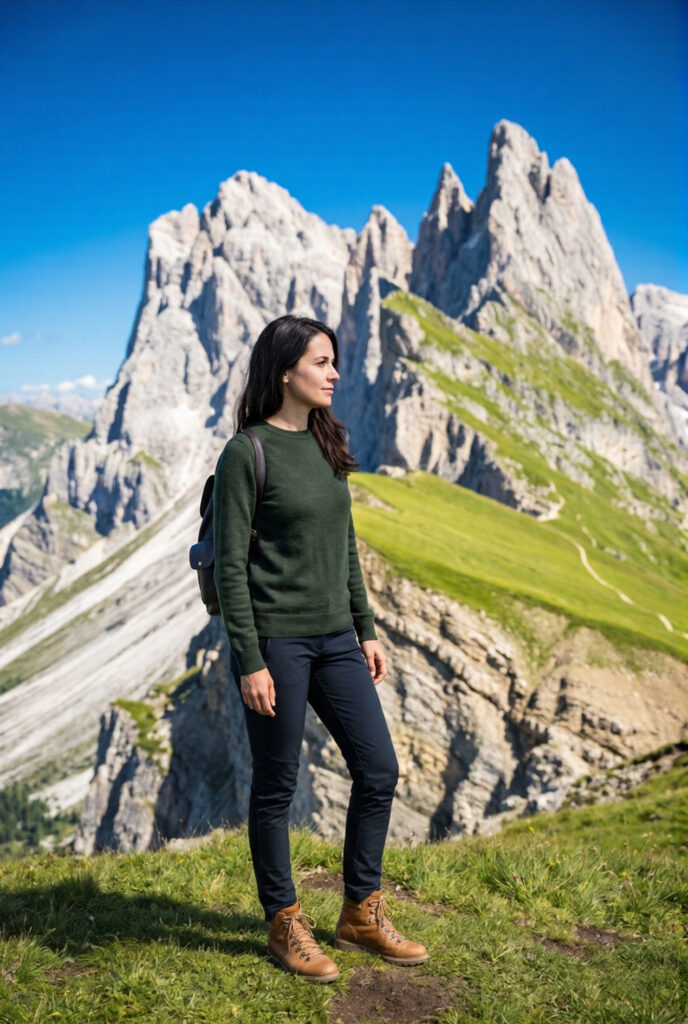
South of Bolzano, the Strada del Vino runs through the villages of Caldaro, Termeno, Cortaccia, and Tramin — the village that gave the Gewürztraminer grape its name. The road passes vineyard after vineyard, most of them open for tastings off the cellar door without a reservation.
Go in September or October when the harvest is running. The drives between villages are short and scenic, the estates are at their most active, and the wine tastes like it should: cold, pale, faintly floral, drunk at a wooden table with the mountains behind it. Take the afternoon. Do not be in a hurry to leave.
What to Do
Hike the Tre Cime di Lavaredo circuit
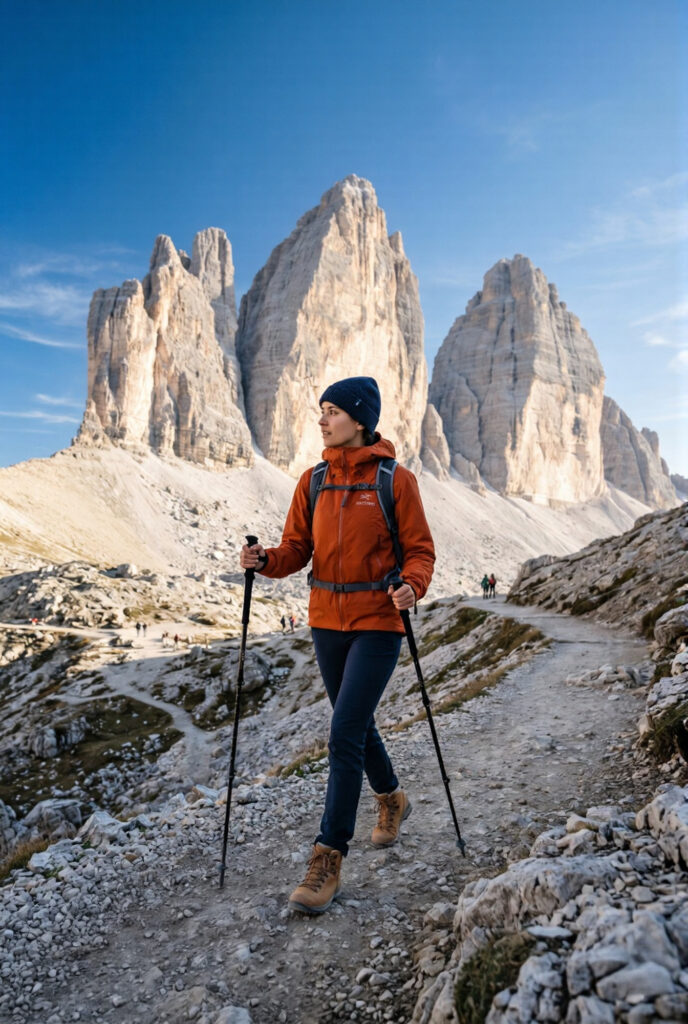
Three vertical columns of pale dolomite limestone rising from the ridge of the Sexten Dolomites. The circular walk around the base takes two to three hours on a well-maintained path. From the north side, looking straight at the sheer faces of all three, it is one of the better views in Europe.
The Rifugio Auronzo at the start of the walk is on a toll road from Misurina. Drive up early — the car park fills fast in summer and as of 2025 parking must be booked in advance. Go clockwise: the best views are on the outward leg. Proper footwear matters. The path is not technical but it is uneven and there are exposed sections.
Take the cable car to the Sass Pordoi
The cable car from the Pordoi Pass goes up to 2,950 metres on the flat top of the Sass Pordoi. From up there the central Dolomites spread in every direction, the valleys nowhere to be seen. It is pale rock and sky and cold wind and nothing else for a long way. There is not another place like it in Italy.
The car operates from late June through October, weather depending. Bring a warm layer regardless of what the pass felt like at the bottom. The wind at that altitude is a different thing entirely from the wind below.
The Törggelen tradition in autumn
In October and November, farm estates across South Tyrol open up for Törggelen: new wine, roasted chestnuts, a heavy meal of cured meats and bread and local dishes, eaten at long tables in rooms that have been doing exactly this for generations. The tradition is centuries old and almost entirely unknown outside the region.
Look for farms showing the Törggelen sign from early October. Book ahead where you can. The wine is cloudy and new and very easy to drink. Plan to stay for the afternoon.
Drive the Sella Ronda
Fifty-five kilometres around the Sella massif through four mountain passes: the Gardena, Campolongo, Pordoi, and Sella. In winter this is one of the great ski touring circuits in the Alps. In summer it is one of the best drives on the continent. The Val Gardena, the Alta Badia, the Arabba valley, the Val di Fassa: four different landscapes in one loop.
Take the whole day and stop when you feel like it. Weekday mornings in summer the passes are quiet. The Pordoi at 2,239 metres is the highest, has a decent rifugio at the top, and is where you take the cable car up to the Sass Pordoi.
Where to Stay
Bolzano works well as a base if you want a mix of city life, the wine road, and day trips into the mountains. Train connections from Verona and Innsbruck are good, the accommodation prices are reasonable by alpine standards, and the old city is a decent place to spend an evening. The mountains are forty minutes by car.
Val Gardena (Ortisei, Santa Cristina, Selva) is the right base for hiking the Alpe di Siusi and the Sella Ronda. Ortisei is the most characterful of the three villages, Santa Cristina the quietest, Selva the most convenient for the passes. Family guesthouses to high-end alpine hotels, the range is good.
Cortina d’Ampezzo hosted the 1956 Winter Olympics and has been refining its particular mix of serious mountain sport and serious style ever since. The Corso Italia passeggiata in the evening is one of the stranger and better Italian social rituals: ski town as catwalk. Expensive. Worth a night or two, especially in high summer or deep winter.
Alta Badia (La Villa, Corvara, San Cassiano) is quieter than Cortina, the valleys are among the most beautiful in the Dolomites, and the restaurants here are in a different category from the rest of the region. Several Michelin stars, and they earn them.
Where to Eat
Zum Löwen, Tesimo
A small village above Merano and a restaurant that food-focused visitors to South Tyrol make a specific trip for. Chef Andrea Fenoglio cooks with what the valley produces: venison, local trout, mountain herbs, cheese from the farms above the village. The cooking is precise and deeply local in a way that is rarer here than the tourist brochures suggest. Book well ahead. Go for lunch, when the light comes through the old farmhouse windows and the valley below is at its clearest.
Rifugio Lagazuoi, above Armentarola
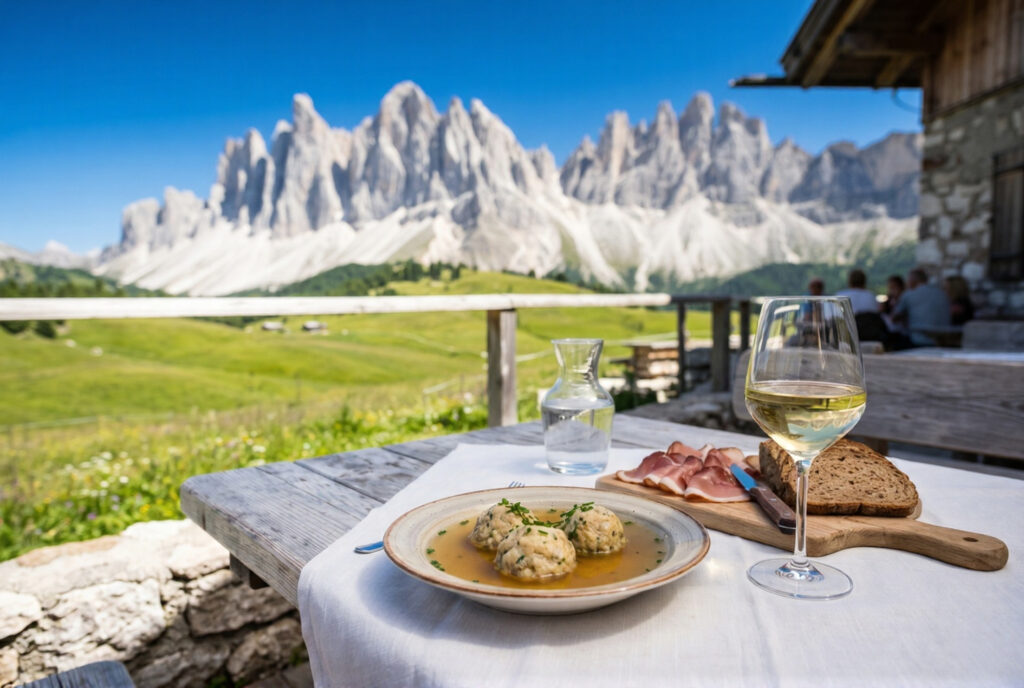
At 2,752 metres on the Falzarego Pass, reached by cable car from the road below. The kitchen does proper South Tyrolean mountain food: canederli in brodo, speck with dark bread and good butter, apple strudel from that morning. Eat on the terrace if the weather is holding. At that altitude the food tastes different. Go for lunch, not dinner.
Zur Kaiserkron, Bolzano
On the Piazza Walther, the place to stop for lunch on a day in the city. The menu sits between Italian and Austrian the way the region itself does: ragù pasta one moment, Wiener schnitzel the next, a local Lagrein with both. The room is old and properly run. Book on a Saturday when the market is outside.
Ciasa Salares, Alta Badia
The restaurant at the Ciasa Salares hotel in San Cassiano. Chef Matteo Metullio cooks with the valley’s produce in a way that is both precise and genuinely rooted in the territory. The tasting menu moves with the seasons. The wine cellar goes deep into Alto Adige whites and aged Burgundy. Book months ahead for dinner in high season.
Good to Know
Car access to the high areas is restricted in summer. The Alpe di Siusi and several other plateau areas limit private cars during certain hours in July and August. Check before you drive up. The gondola and shuttle systems are well run and often quicker than sitting in traffic anyway.
The weather above two thousand metres is not the weather in the valley. Morning sunshine at the hotel does not mean sunshine on the plateau. Carry a waterproof and a warm layer every time. The afternoon thunderstorms in July and August build fast and they mean it. If you are on an exposed ridge when one arrives, get down.
Language in South Tyrol. German is spoken as a first language across much of the Alto Adige. In smaller villages and local restaurants it may be the only language on offer. A few words of German go a long way. The Ladin valleys (Val Gardena, Alta Badia) add a third language you will see on signs but will not need to speak.
Getting around. A car is more or less essential once you are here. The train connects Bolzano, Trento, Merano, and Bressanone without difficulty. The Dolomiti Bus covers the main valleys. But the passes, the wine roads, the smaller valley bases: you need a car for all of it. The mountain roads are well-maintained and well-signed. Confidence helps; special skills are not required.
On tipping. Round up or leave a euro or two after coffee and casual meals. Ten percent at a sit-down dinner is generous and noticed. At a rifugio it matters more than it does in the city below.
The toll road to Tre Cime. Around thirty euros per car from Misurina up to the Rifugio Auronzo. Not cheap. Parking must be booked in advance as of 2025. The circuit justifies both.
South Tyrol’s official tourism site covers the full range of valleys, villages and seasonal conditions.
Best Time to Go
Late June through September is the hiking window. Passes are clear by late May or early June most years, the rifugios are open, the Alpe di Siusi is in full flower. July and August are the peak: the Tre Cime car park fills before seven, Cortina is at capacity, everything books up months in advance. June and September give you the same landscape with fewer people.
October is the month for the wine road and the Törggelen farms. The mountains are quieter, the colours in the valley are extraordinary, and the food is at its best.
December through March is ski season. The Sella Ronda and the Cortina slopes are among the best in the Alps. The villages at Christmas are exactly what you imagine alpine villages at Christmas to be: the markets, the snow on the timber rooftops, the smell of glühwein. Accommodation is expensive and books early.
November and the weeks between snow and spring are thin months: cold, partially closed, not much happening. If that is when you are going, Bolzano is the right base. The wine road and the city run year round.
Read Next
The Dolomites need a different wardrobe from anywhere else in Italy. Technical shell jackets and merino base layers for the trails, then the evening culture of Cortina arrives and suddenly you need cashmere and something with a heel. Most visitors only pack for one version of this trip. The Trentino-Alto Adige Capsule Wardrobe Guide covers the full range, from the hiking boot to the shearling evening boot and the Enrosadira pink cashmere you will want when dinner is at altitude.
For the full wardrobe logic across every Italian region, the Complete Guide to Italy is where to start.
Heading south after the mountains? The Lombardy Travel Guide covers Milan and Lake Como. The Venice and Veneto Travel Guide covers the lagoon and the Prosecco Hills beyond.
Packing for the Dolomites? The Trentino-Alto Adige Capsule Wardrobe Guide covers what the mountains actually need, day and night.