
*This post may contain affiliate links for which I earn commissions.*
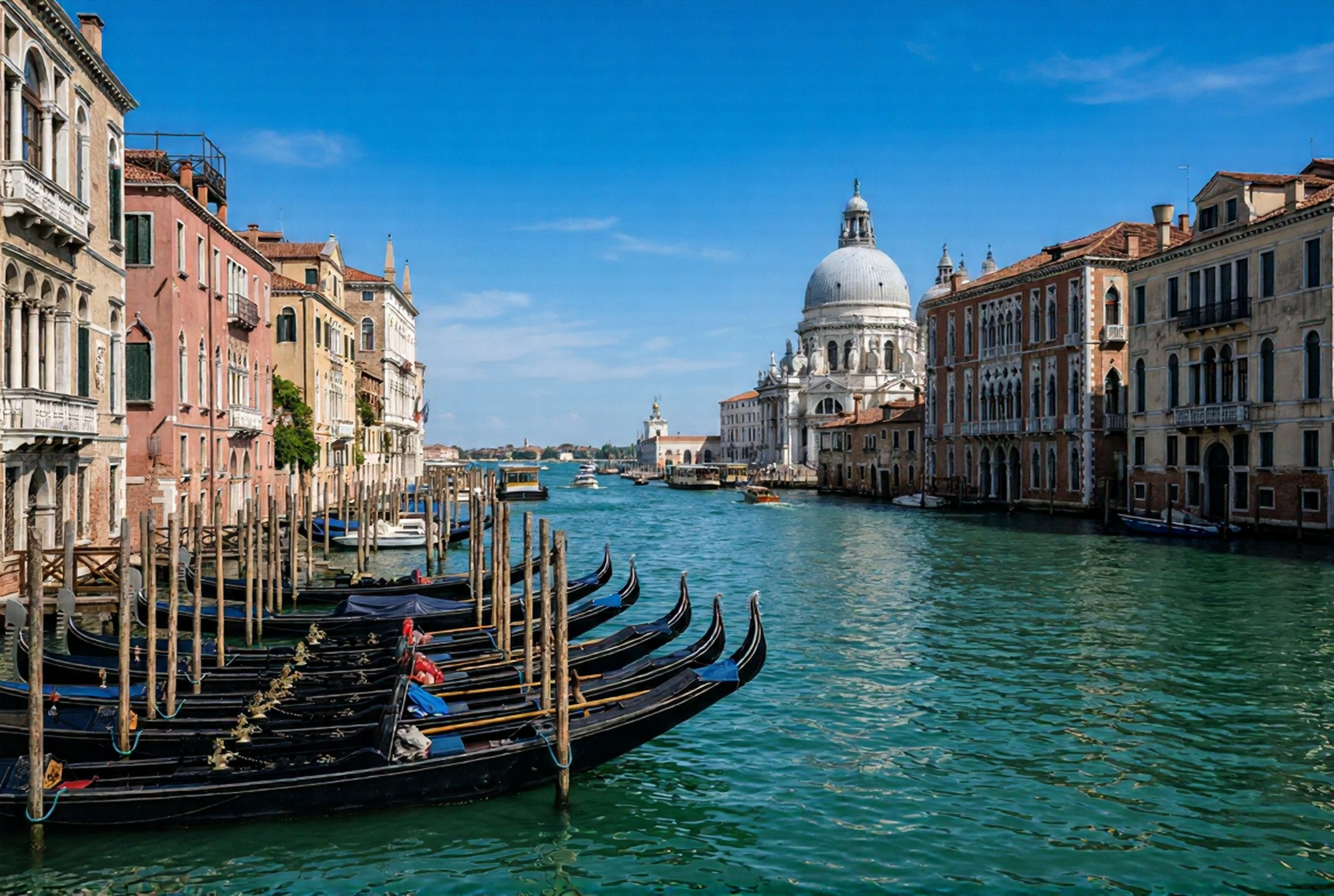
The train pulls into Venezia Santa Lucia and then the doors open and the air hits you. Salt and something older, the faint mineral weight of the lagoon, algae and damp stone baked slowly over centuries. You step out onto the platform and there is no road. No taxi rank, no bus, no car pulling up to the kerb. Just water, and a city floating on it, and the immediate, slightly panicked realisation that you are going to have to walk everywhere and none of the paths go in straight lines.
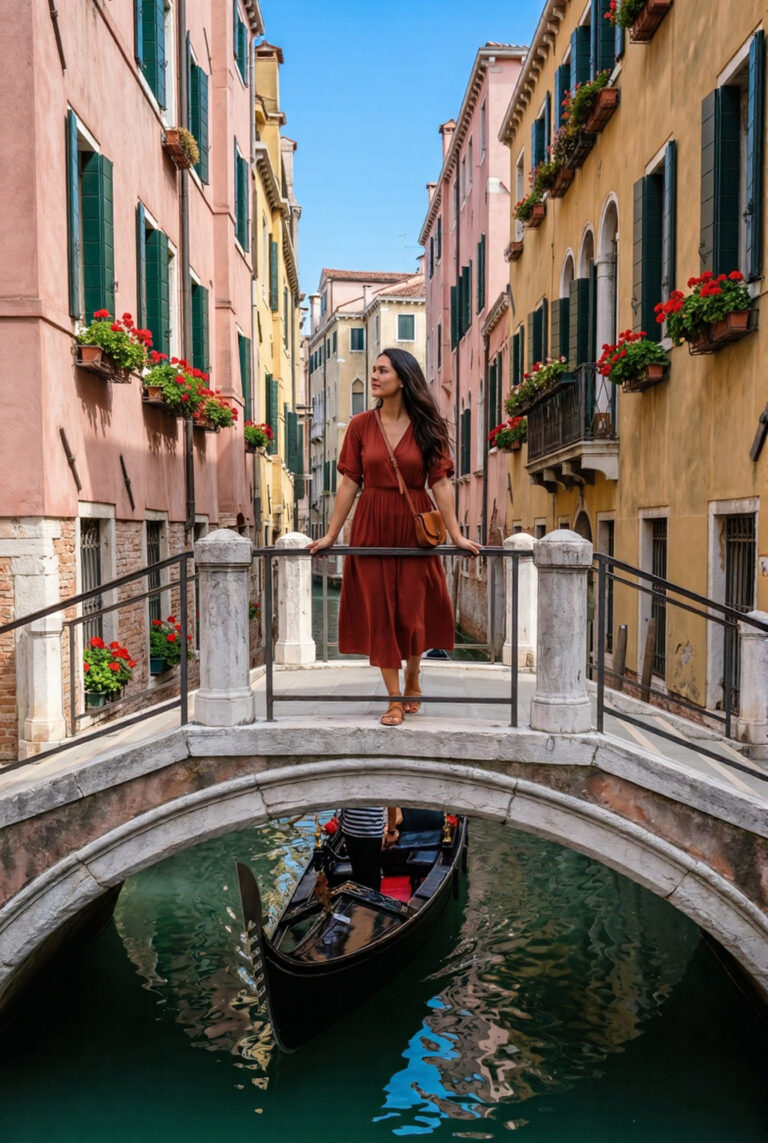
Venice disorients people and most visitors fight it, trying to navigate their way to a list of sites in a logical order, getting frustrated when the map stops making sense and the alley dead-ends at a canal. The ones who stop fighting it and start wandering tend to find the better version of the city. The campo discovered by accident, locals eating lunch outside, a wellhead, afternoon light on the water. None of it planned, all of it worth more than whatever was on the itinerary.
The Veneto beyond Venice is a different kind of trip. Verona is polished and operatic. Padua is quietly brilliant and almost always overlooked. The Prosecco Hills are gentle, undervisited, and pour an excellent glass at the cellar door.
What to See
Venice: Torcello before anyone else wakes up
Torcello is a small island in the northern lagoon, forty minutes by vaporetto from Venice. It was the original settlement, the place people lived before they moved to the Rialto islands and built what became Venice. Now it has a handful of residents, two restaurants, a Byzantine cathedral, and almost no tourists before ten in the morning.
The cathedral of Santa Maria Assunta contains 12th-century gold mosaics that make the Basilica di San Marco look restrained. The Last Judgement covering the western wall is extraordinary, gold and fierce and biblical, running floor to ceiling. No crowds, no queue, a few euros entry. Take the early vaporetto, line 12 from Fondamente Nove. You will have the island to yourself for the first hour.
The Scrovegni Chapel, Padua
Giotto’s frescoes in the Scrovegni Chapel are among the most significant works of art in Western painting. They predate the Renaissance, painted around 1305, and you can see in them the exact moment someone decided to paint human beings as if they had weight and felt things. The figures grieve, argue, sleep, betray. They look like people.
Entry is strictly timed: maximum twenty-five visitors at a time, fifteen minutes in a climate-controlled antechamber first, then twenty minutes inside. Book well ahead through the Musei Civici Eremitani website. Padua is an hour from Venice by train, a day trip that most visitors never make, which means the chapel is quieter and more manageable than almost anything in Venice or Florence.
The Basilica di San Marco at opening time
Everyone sees San Marco. The question is whether you see it properly or experience it as a slow shuffle through a crowd. Arrive at 9:45am, fifteen minutes before opening, on a weekday. In the first twenty minutes after the doors open, the nave is quiet enough to hear the mosaics. Because the mosaics make a sound, or seem to. The gold catches the morning light differently from every angle. Stand in the centre and turn slowly. Do not rush to the Pala d’Oro in the apse until the tour groups have moved on.
The dress code is enforced at the door: shoulders and knees covered, no exceptions. Bags larger than a small backpack must be left at the deposit around the corner on Calle San Basso before you join the queue.
Verona’s Arena di Verona
The Roman amphitheatre in Piazza Bra is the third largest in Italy and one of the best preserved anywhere. Built in the first century AD, it seats around fifteen thousand people and still hosts one of the world’s great opera festivals every summer, running from late June through August. Sitting in the upper tiers on a warm evening, the city lit around you, two-thousand-year-old stone carrying the sound of a full orchestra up to the open sky above, is something you do not forget quickly.
Tickets go on sale months ahead and the best seats go fast. If opera is not your interest, the arena is worth visiting in daylight for a few euros. The view from the top tier over the Piazza Bra and the rooftops of Verona is worth the climb.
What to Do
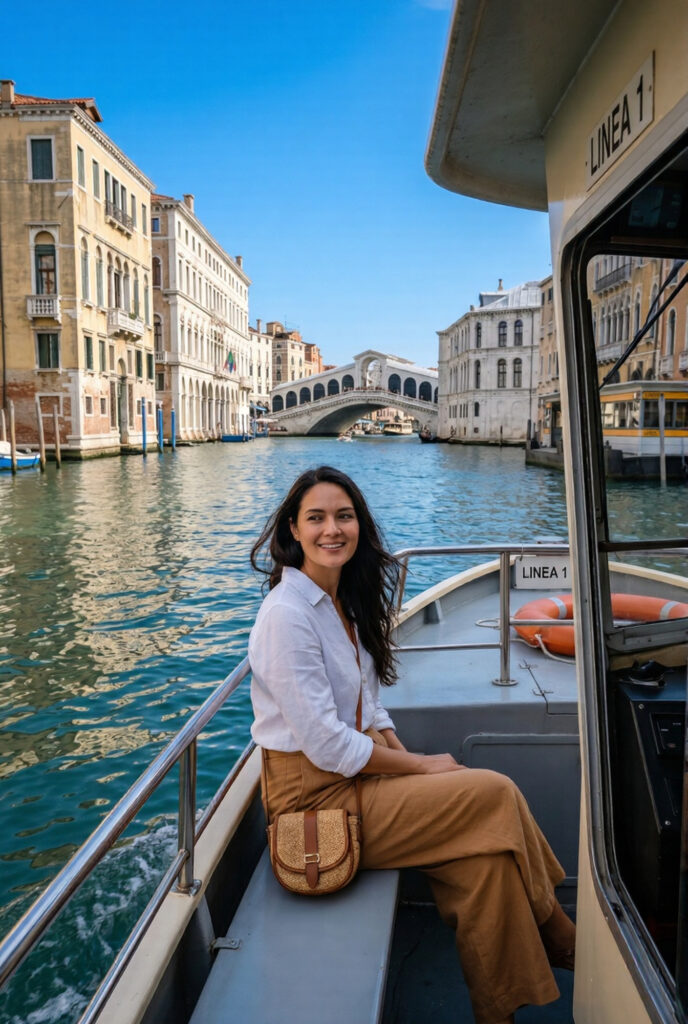
Take vaporetto line 1 from Piazzale Roma to San Marco
Line 1 runs the full length of the Grand Canal, stopping at every station, taking about forty-five minutes end to end. If you need to get somewhere fast, take line 2. But if you have the afternoon free, line 1 is the one to take: the palazzos come at you slowly, each one different, the water changing colour as the light shifts across it. Sit at the front or back for an unobstructed view. The price is the cost of a standard vaporetto ticket.
Cross to the Giudecca for an aperitivo
The Giudecca is the long island that runs parallel to the main body of Venice, separated by a wide canal. Almost no tourists stay there. The bars along the Fondamenta are local, quiet, affordable by Venetian standards, and look directly across the water to the Zattere and the Salute. Go around six in the evening, when the light on the canal turns copper and the working day is ending. Take vaporetto line 2 from San Zaccaria or San Marco, two minutes across the water.
Drive or cycle the Prosecco Hills
The Conegliano Valdobbiadene wine region northeast of Venice is a UNESCO World Heritage Site and one of the most scenic and undervisited corners of the Veneto. Steep green hillsides covered in vines, small cantinas, medieval villages on ridges above the valleys. The Strada del Prosecco runs between Conegliano and Valdobbiadene and passes dozens of producers who will pour you a glass at the cellar door with no ceremony and very little cost.
About ninety minutes by car from Venice. Rent a car for the day, go on a weekday, and stop at Cartizze, the single hillside that produces the finest Prosecco Superiore in the region. Bring a cooler.
Watch the sunset from Punta della Dogana
The Punta della Dogana is the triangular point of land at the tip of the Dorsoduro, where the Grand Canal meets the Giudecca Canal. The Salute sits behind you, the Palazzo Ducale directly across the water, the island of San Giorgio Maggiore to the right, the whole basin of San Marco in front. It is the best free viewpoint in Venice and almost nobody is standing on it after six in the evening. Go about thirty minutes before sunset and stay until it is dark.
For transport passes and booking guidance, Venice’s official city portal is the most reliable source.
Where to Stay
Venice accommodation runs expensive, and where you sleep shapes how much you enjoy the city, because every journey here takes longer than it looks on a map.
Dorsoduro is the right neighbourhood for people who want to actually live in Venice for a few days rather than spend it in a queue. Quieter than San Marco, better restaurants, the Zattere waterfront for morning coffee looking out at the Giudecca. The Accademia gallery and the Punta della Dogana are both within walking distance. Not the cheapest area but worth the premium over staying near the station.
Cannaregio is the most residential neighbourhood in Venice and the most affordable. The northern fondamente away from the Lista di Spagna are quiet, genuinely local, and have some of the best bacari in the city. The walk to San Marco takes about twenty-five minutes through back streets that most day-trippers never find. The right choice for longer stays or tighter budgets.
San Marco and Rialto put you in the middle of everything, including the crowds. Convenient for the major sites but noisy until late and priced accordingly. For one or two nights when proximity matters more than atmosphere, it works. For anything longer, Dorsoduro or Cannaregio are better decisions.
Verona is worth considering as a base if your Veneto itinerary extends beyond Venice. Cheaper, far less crowded, and a city with its own very good restaurant scene, a Roman amphitheatre, and fast train connections to Venice, Padua and Lake Garda. The historic centre is compact and entirely walkable.
Where to Eat
All’Arco, San Polo
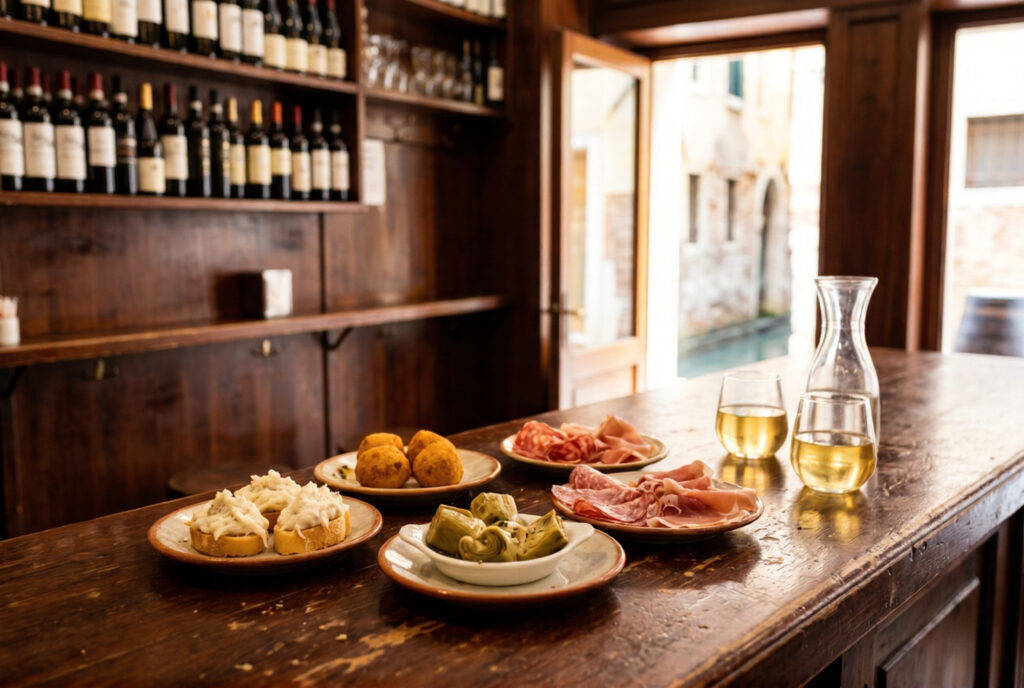
A bacaro is a Venetian wine bar that serves cicchetti, the small plates that Venice has been eating at counters since long before anyone called it small plates. All’Arco is tucked into a calle near the Rialto market and opens early. The cicchetti change daily with the market. Arrive before noon, order a small glass of local white, point at three or four things behind the glass on the counter, stand at the bar. Lunch here costs around eight to ten euros.
Osteria alle Testiere, Castello
Eight tables. No walk-ins. Two sittings per evening. The seafood is whatever came off the boat that morning and the menu changes entirely with the catch. Book several weeks ahead for high season, less in winter but still in advance. The room is tiny, the cooking is precise, and the bill will be lower than you expect for what arrives at the table.
Caffè Florian, Piazza San Marco
Go once, knowing exactly what you are paying for. Florian has been serving coffee in the same rooms since 1720. The interior is extraordinary: painted panels, gilt mirrors, velvet banquettes, everything slightly worn and entirely genuine. A coffee with table service in the piazza costs twenty euros or more. Order it anyway, sit for an hour, watch the square. The point is not the coffee.
Il Desco, Verona
If you are spending a night in Verona, Il Desco on Via Dietro San Sebastiano is the dinner reservation worth making. The menu is rooted in the Veneto: bigoli in salsa, horse meat braised with Amarone, a cheese course from local producers. The room is elegant without being stiff. Book at least a few days ahead.
Good to Know
No wheeled luggage in the alleys. The calles of Venice are narrow, cobbled, and crossed by bridges with steps. Rolling a large suitcase through them is genuinely difficult and considered antisocial by locals. Pack light enough to carry your bag on your shoulder, or book accommodation near the vaporetto stops where the paths are wider.
The acqua alta happens mostly between October and February. When the sirens sound, the city floods at the lowest points, mainly around San Marco, the Rialto, and parts of Cannaregio. Raised walkways go up within hours. Waterproof boots or shoes are essential if you are visiting in those months. Shops near the major crossings sell disposable overshoes for a couple of euros.
Book vaporetto passes before you arrive. A 48-hour or 72-hour unlimited pass is almost always better value than paying per journey if you are using the boats regularly. Buy online via the ACTV website or at the Venezia Unica booths at the station on arrival.
Verona transport. Verona’s historic centre is entirely walkable. The train station is a fifteen-minute walk from Piazza Bra. Taxis are available at ranks near the station and the main piazza, or via the itTaxi app. For Lake Garda day trips, a car or the local bus from Verona Porta Nuova station covers the main towns on the southern shore.
On tipping. Not obligatory in Italy, but rounding up or leaving a euro or two after coffee or a casual meal is appreciated. At a sit-down dinner, five to ten percent is generous. Check the bill for a coperto or service charge before adding more.
Dress codes at religious sites. San Marco, the Frari, the Scrovegni Chapel in Padua: all require shoulders and knees covered. A lightweight scarf in your bag handles all three.
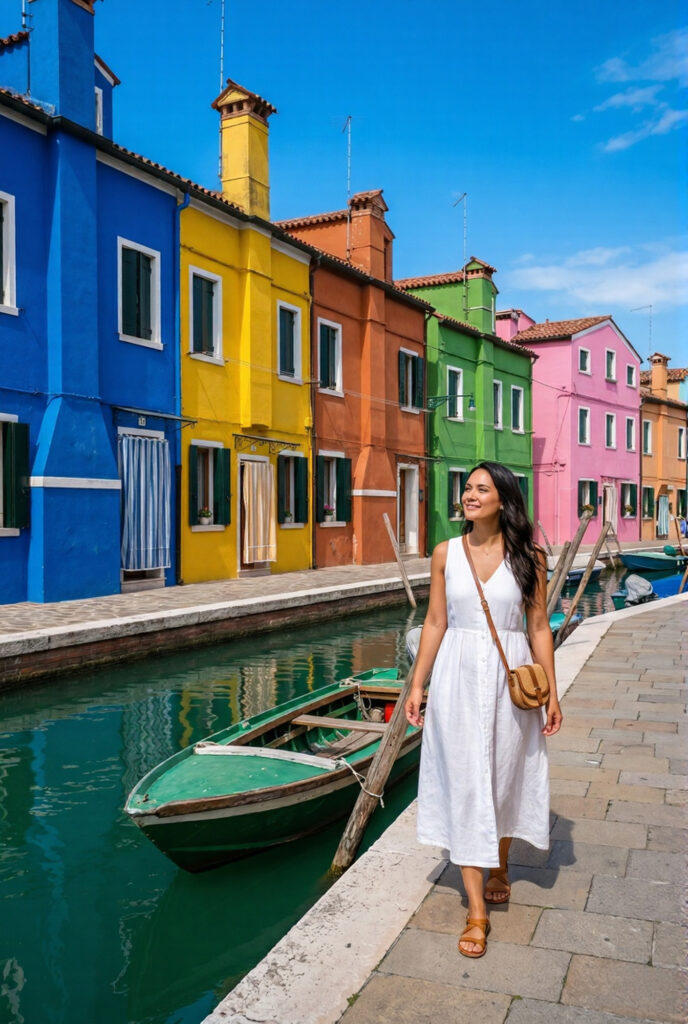
Best Time to Go
November and March are the months almost no guidebook recommends and almost no experienced Venice visitor regrets. November is mist and empty campi and the particular quiet of a city settling back into itself after the season. The light is flat and silver, the kind that makes the palaces look like they are painted on the air. Cold, occasionally wet, and unlike Venice in any other month.
April and May are the best of the warmer months. Day-tripper numbers are building but have not yet hit their summer peak, the weather holds for walking all day, and the city still has a rhythm of its own underneath the tourism.
July and August are hard. The heat amplifies the smell of the canals, the crowds around San Marco and the Rialto become relentless, and the city stops feeling like a place people actually live. If those are your only options, be on the water or inside a church by nine in the morning and keep the evenings for everything else.
Read Next
Getting dressed for Venice is more complicated than most Italian cities. The wrong shoes on those bridges will end the day early, and the acqua alta months need a completely different approach to footwear. The Veneto Capsule Wardrobe Guide covers all of it, including what to wear for the Verona passeggiata and the Arena on a summer evening.
For the full wardrobe picture across every region of Italy, the Complete Guide to Italy is where to start.
Tuscany or Rome next on the itinerary? The Tuscany Travel Guide and the Rome Travel Guide are both live.
Packing for Venice and not sure where to start? The Veneto Capsule Wardrobe Guide has the full edit: what works on the bridges, what to wear for cicchetti at a bacaro, and what to bring for the opera at the Arena.