
*This post may contain affiliate links for which I earn commissions.*
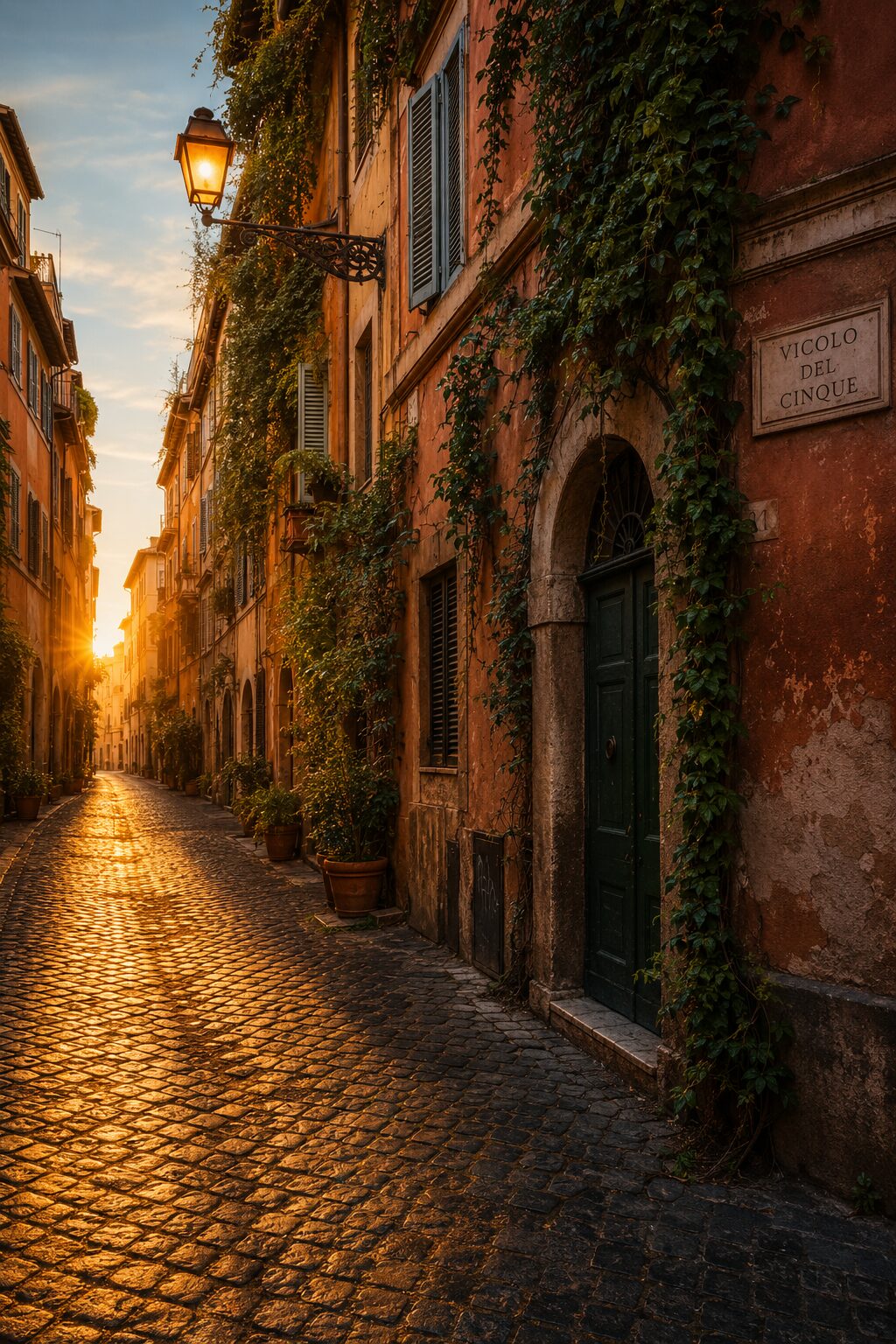
Seven in the morning and the city is already at full volume. Coffee cups hitting zinc counters, mopeds taking tight corners over basalt cobblestones, a vendor at the Campo de Fiori stacking artichokes like he has been doing it since before you were born. The light at this hour is thick and amber, the kind that makes even a crumbling façade look deliberate. Rome is not the kind of place that eases you in.
What catches people off guard is how quickly it gets under your skin. You go looking for monuments and end up standing very still on a back street in the Celio neighbourhood at dusk, watching the Colosseum turn gold, and you realise the famous landmarks were never really the point. The things that stay with you are smaller and stranger and mostly free. That is what this guide is about.
What to See
The Palatine Hill, not just the Forum
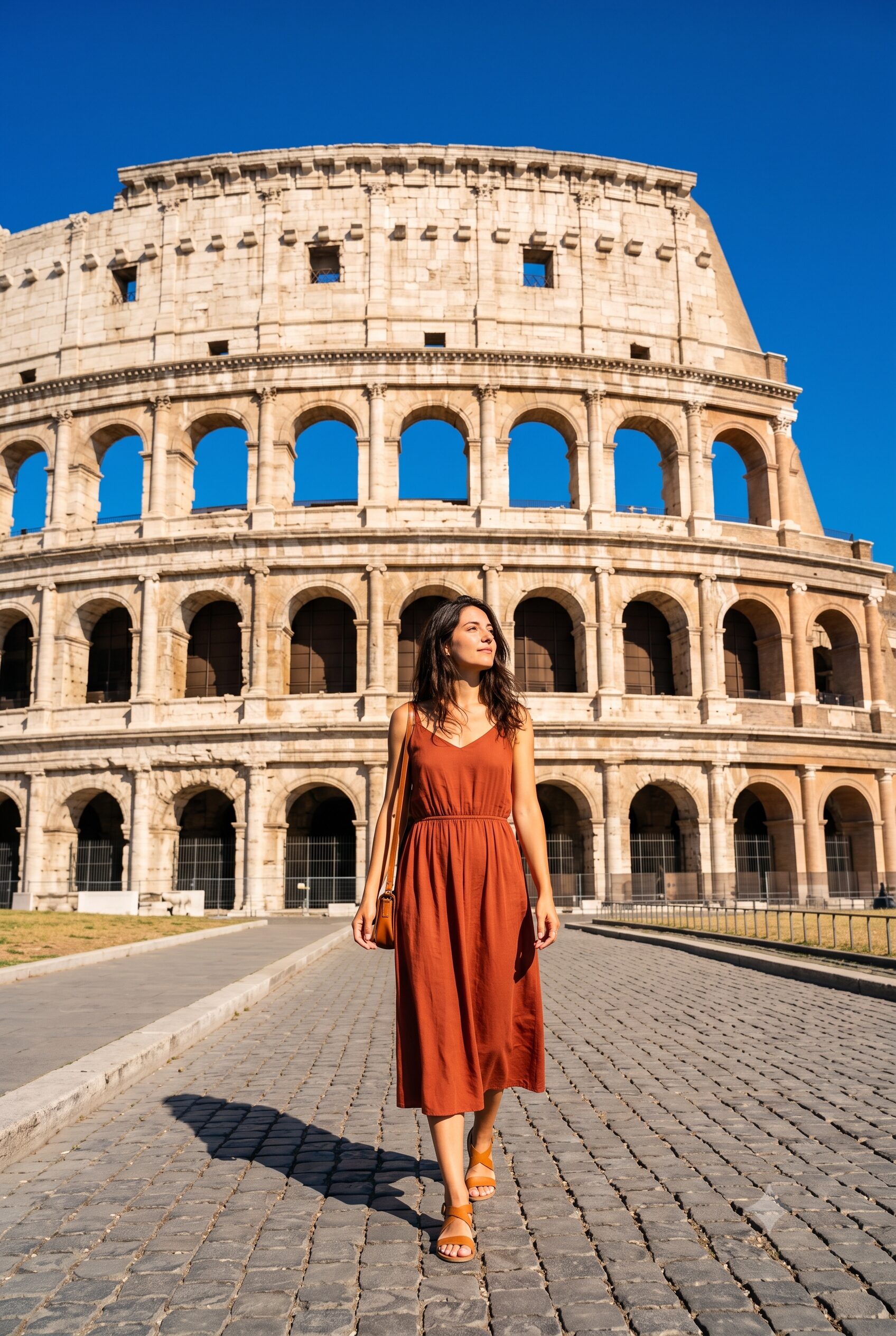
Most people book the Colosseum and spend the afternoon in the Forum trying to decode a floor plan of column stumps and foundation walls. Worth doing, but the Palatine Hill is included in the same ticket and is where the visit actually opens up. It sits above the Forum on a plateau of umbrella pines and overgrown rose gardens, the ruins of imperial palaces slowly being absorbed back into the earth. The city spreads out below you. The crowds dissolve within about fifty metres of the Colosseum entrance.
Spend an hour in the Farnese Gardens at the top, especially in the morning before the heat builds. It is one of the quieter hours Rome offers.
Book the combined ticket online at least a week ahead. The queue on the day runs two hours in peak season and the price is the same either way.
Galleria Borghese
Strict two-hour timed entry, maximum 360 people at a time, must book in advance. It sounds bureaucratic and it is worth every bit of the admin. The Bernini sculptures are the reason people come back to Rome on a second trip just to stand in front of them again. The Apollo and Daphne in room three is marble carved to look like bark growing over skin, caught mid-transformation. It stops people dead. Nothing prepares you for the scale of it.
Book directly through the Borghese website, not a third-party platform. Show up five minutes early. They do turn latecomers away.
Santa Maria in Trastevere
Trastevere gets dismissed by people who went there five years ago when it still felt like a local neighbourhood and now write it off as touristy. Go anyway, early. Before the restaurants open, the streets are quiet and the piazza in front of this church is one of the nicest spots in the city to stand and drink a coffee.
The church itself is one of the oldest in Rome. The 12th-century gold mosaics in the apse are extraordinary, warm and Byzantine, lit differently depending on which hour of the morning you arrive. No queue. No entry charge. You can stay as long as you like.
Come back at night. The fountain is lit, the square fills up with people who actually live there, and the whole thing looks like a film set that happens to be real.
The Gianicolo at noon
Every day at exactly midday, a cannon fires from the Gianicolo hill. It started in 1847 as a way to synchronise the church bells across the city. Almost no tourists know about it. Romans walk up to watch, then hang around for the view: the full sweep from the Vittoriano to the dome of St Peter’s to the Alban Hills on a clear day.
Twenty minutes uphill from Trastevere. Free. Worth it.
What to Do
The Appian Way on a Sunday
The Via Appia Antica is closed to private traffic on Sundays. You can walk or cycle the original basalt paving stones, the same road Roman legions marched out of the city on, past umbrella pines, crumbling tombs, the odd goat field, and the entrance to the Catacombs of San Callisto. It is one of the few places in Rome where the city falls away entirely. Twenty minutes from the centre and it feels like a different country.
Bike hire from the stands near the archaeological park entrance. A few euros. Bring more water than you think you need.
The Testaccio market on a weekday morning
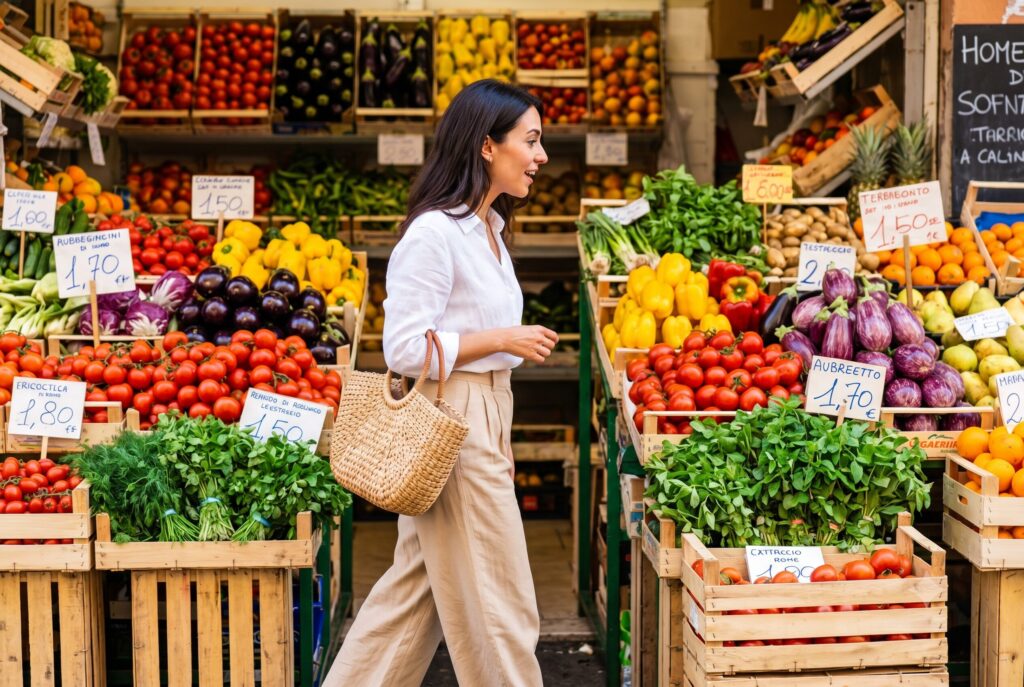
Testaccio is where Romans actually shop, and the covered market is the proof. Arrive between eight and ten on a weekday. Produce, cheese, offal, street food, secondhand clothes, a flower stall that smells extraordinary. The supplì at stall 15 are made fresh all morning: fried risotto balls with molten mozzarella in the centre, two euros each, eaten standing up. They are one of the best things you will eat in this city and they have no interest in being photogenic about it.
The market is on Via Beniamino Franklin, ten minutes on foot from the Circo Massimo metro stop.
An early morning in the historic centre
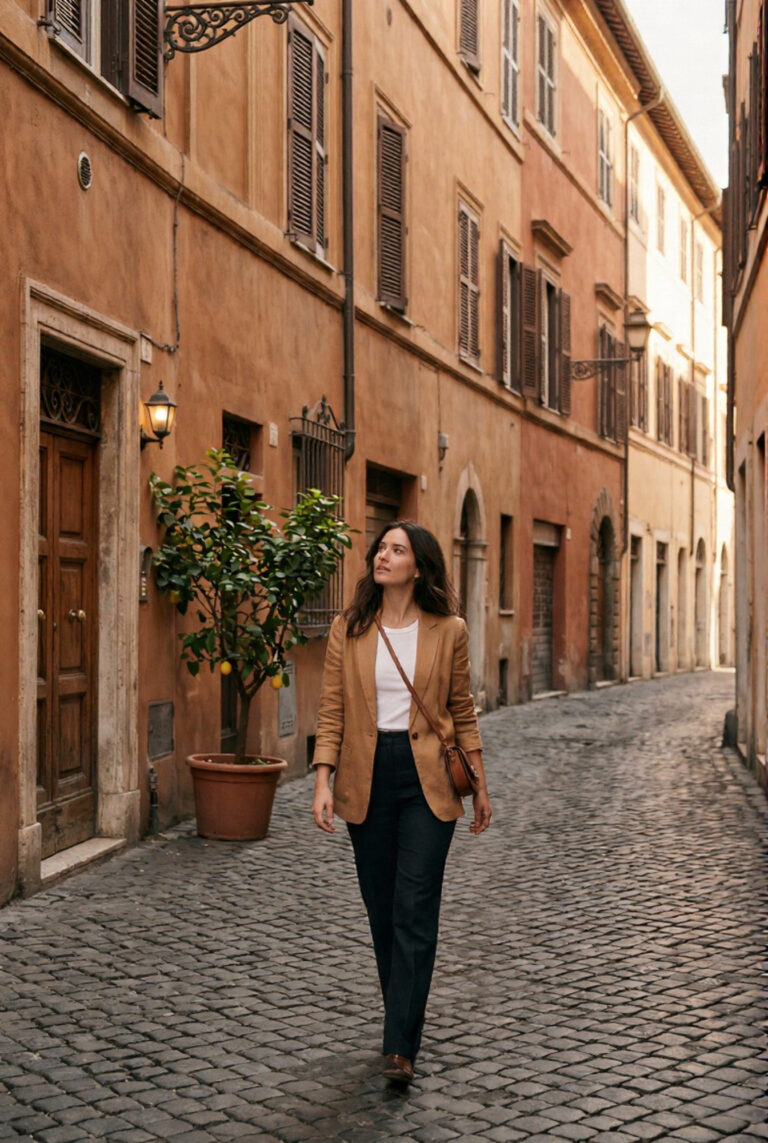
The triangle between Campo de Fiori, Piazza Navona and the Pantheon is quiet between seven and nine in the morning. The light is different at that hour, long and low, coming in at angles. The streets smell of bread and coffee. The Pantheon opens at nine and the queue builds fast. Arrive at opening with your timed ticket already booked. A few euros through the Pantheon’s own website. Non-negotiable since 2023.
Dinner at Flavio al Velavevodetto
This one needs a reservation and deserves one. Flavio is built into the side of Monte Testaccio, a hill made entirely of broken ancient Roman amphorae, the terracotta sherds visible through the dining room walls. The food is proper Roman: rigatoni alla pajata, coda alla vaccinara, artichokes alla giudia. No photographs on the menu. Order whatever the person next to you is having if you are unsure. Book a few days ahead and go hungry.
Where to Stay
Where you base yourself in Rome shapes the trip more than most people expect, because the neighbourhoods here are genuinely different from each other.
Monti is the first-timer’s best decision. It sits between the Colosseum and the historic centre, walkable to both, with its own market, wine bars, and independent shops on Via del Boschetto. The streets are narrow and characterful without being overrun. No direct metro stop, but the Colosseo stop on Line B is a ten-minute walk and most things worth doing are reachable on foot. Accommodation prices have crept up because the neighbourhood has been well and truly discovered.
Prati is the practical choice for anyone with the Vatican high on the list. It sits directly across the Tiber from St Peter’s, quiet, residential, well-served by Line A at Ottaviano. Wider streets, good neighbourhood restaurants, less tourist density than the historic centre. It does feel a little removed from the Rome of piazzas and back alleys, more workaday than atmospheric, but that is a fair trade for the location if the Vatican is a priority.
Trastevere is the most beautiful place to wake up in Rome, especially in the quieter months. Cobbled, vine-covered, lovely in the early morning before the day-trippers arrive. It is not central: you will walk or take a bus everywhere, and it gets noisy on weekend nights. Worth it for a longer stay, less ideal if you are covering a lot of ground quickly.
Where to Eat
Supplì Roma, Testaccio market
Already mentioned above because it deserves to be mentioned twice. The supplì here are the standard everything else gets measured against. Hot, eaten at the counter, done in three bites. Go on a weekday morning.
Roscioli, Via dei Giubbonari
Part deli, part wine bar, part restaurant, all running from the same space at the same time. The cacio e pepe is as good as everyone says. The carbonara appears and disappears from the menu depending on the day, so ask when you sit down. The wine list runs deep into natural and biodynamic bottles. Book a table for dinner a week ahead. The counter at the front does sandwiches and cheese plates at lunch without a reservation.
Caffè Sant’Eustachio
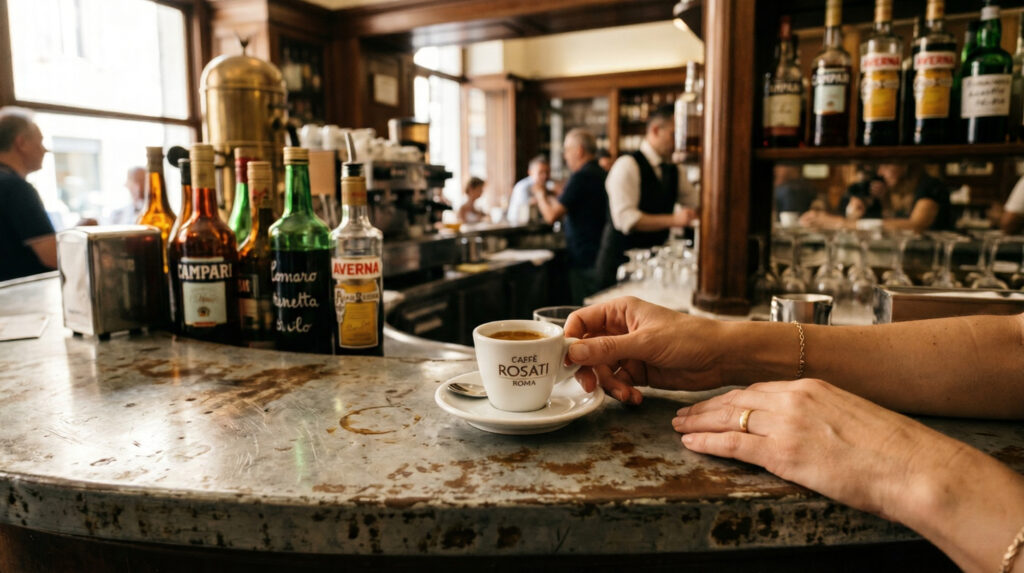
The coffee here is different from everything else in Rome. The reason is disputed: the roast, the grind, a rumoured pre-sweetening the baristas neither confirm nor explain. Order the gran caffè. Skip the milk. Drink it at the counter. Two euros. The square it sits on is one of the nicest in the historic centre and most people walk straight past it.
Pizzarium, Prati
Gabriele Bonci’s pizza al taglio near the Vatican. Sold by weight, cut with scissors, eaten standing on the pavement. The toppings change daily based on whatever is at the market. It is the kind of thing you eat at eleven in the morning on the way somewhere else and find yourself thinking about for the rest of the day. Via della Meloria 43.
Good to Know
The Vatican dress code is real and it is enforced. Shoulders and knees covered, both men and women, for St Peter’s Basilica and the Vatican Museums. A scarf handles the shoulders. Bare legs are the more common reason for being turned away at the door. If you know you are visiting that day, wear a linen trouser. The guards check. They turn people away. Every single day.
Book the big sites before you leave home. Colosseum, Galleria Borghese, Vatican Museums, Sistine Chapel. Timed-entry tickets sell out weeks ahead in high season. The queue on the day is long, occasionally unavailable, and never worth it when booking takes ten minutes online.
On tipping. Not obligatory, but rounding up or leaving a euro or two after coffee or a simple meal is normal. Ten percent at a sit-down dinner is generous and noticed. Check the bill for a service charge before you add anything.
Getting around takes a bit of planning. The metro is limited but useful for specific routes. Line A covers the Vatican (Ottaviano stop) and the Spanish Steps (Spagna). Line B covers the Colosseum (Colosseo). Most of the historic centre is not on a metro line at all, and walking is usually faster once you account for stairs and waiting. The distances between major sites are almost always shorter on foot than they look on a map.
For everything the metro does not reach, buses fill most gaps but can be slow and crowded in peak hours. For late nights, airport runs, or crossing the city quickly, taxis from official ranks are metered and reliable. Look for the orange TAXI sign and agree on the meter before you set off. Ride-hailing apps including FREE NOW and itTaxi work well in Rome. Uber operates here but is more limited than in other European cities and tends to run pricier than local alternatives.
Drink from the nasoni. The small iron drinking fountains on street corners throughout the centre run constantly with cold, clean water. Carry a bottle and refill it. There is no reason to spend four euros on water at a café every hour.
On crossing the road. The crossings are suggestions. Make eye contact with drivers before you step off the kerb. Wait for a Roman to cross with you if you are unsure. The traffic slows. It does not always stop.
Rome’s official visitor guide: Turismo Roma
Best Time to Go
April, May and October are the strongest months. In spring the city is warm without the summer weight, and the major sites are busy but manageable. October is arguably better: the heat has broken, Romans come back after August, and the afternoon light from about four o’clock onwards does something to the stone that you want to see at least once.
July and August are hard. The heat in Rome in July is physical, coming off the stone from below as much as from above. Many locals leave in August and some restaurants close entirely. If those are your only options, do sightseeing before ten and after six and use the middle of the day for museums.
January through early March is cold and occasionally wet and almost entirely without queues. Worth considering if you hate crowds more than you hate a grey sky.
Read Next
Rome is one piece of a longer Italy trip for most people. If you are planning the full country, the Complete Guide to Italy covers the wardrobe logic for every region: what changes between Milan and Naples and why it matters what you pack.
If Tuscany is next on the itinerary, the Tuscany Capsule Wardrobe Guide picks up where this one leaves off.
Sorting out what to wear in Rome? The Rome & Lazio Capsule Wardrobe Guide covers the 12 pieces that handle the cobblestones, the Vatican dress code, and everything in between.