
*This post may contain affiliate links for which I earn commissions.*
The Practical Guide Nobody Writes
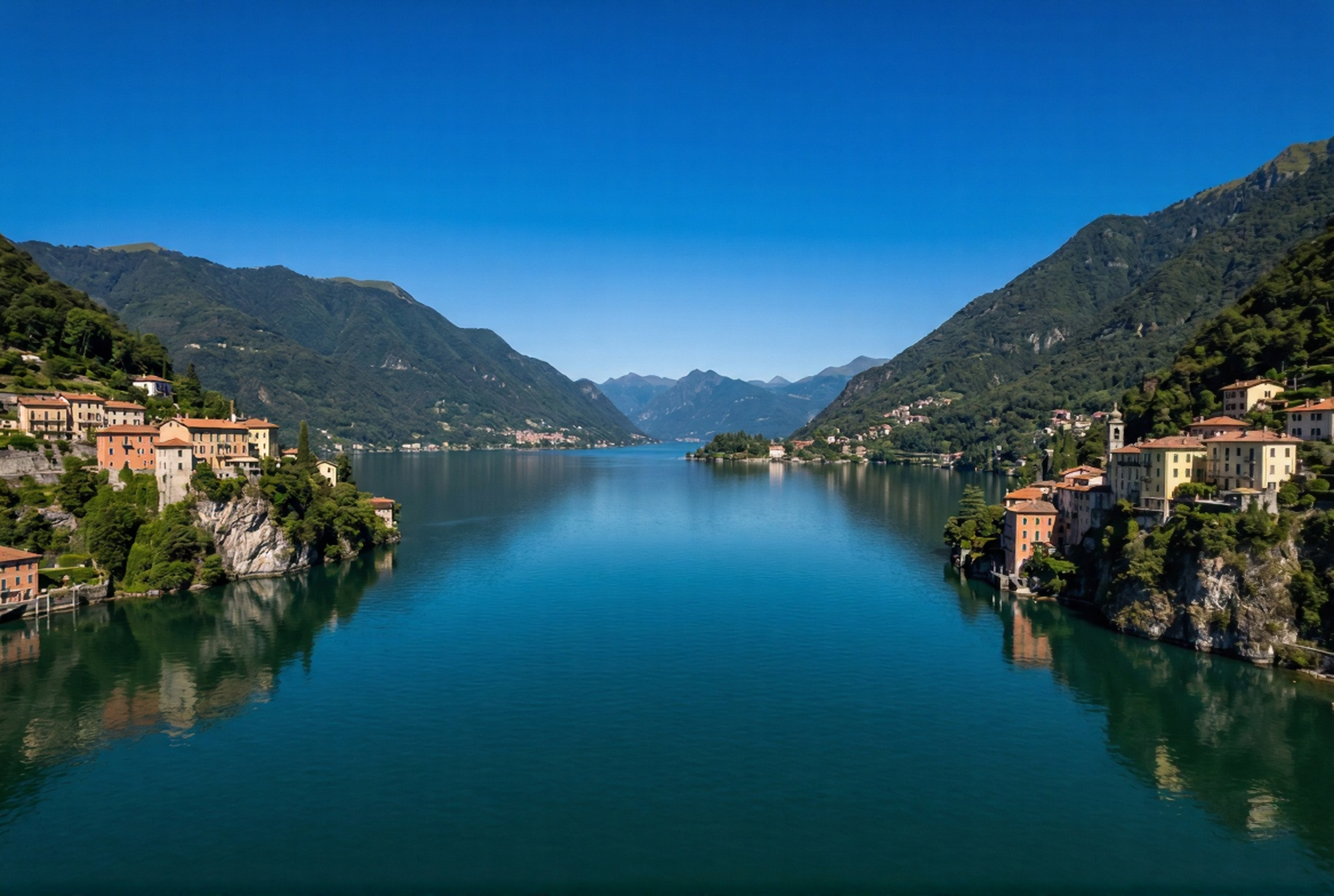
Lake Como gets photographed from above, from the water, from the terrace of a villa, and the photographs are accurate. The lake is that colour. The mountains really do rise that steeply from the water. The villas are as good as they look.
What the photographs do not convey is the geography, and the geography is what trips people up. Most first-time visitors arrive without understanding how the lake is laid out, underestimate the distances, try to see too many towns in a day, and end up spending most of their time in a car queue or waiting for a ferry that has just left. Lake Como is a body of water forty-six kilometres long, shaped like an upside-down Y, with towns strung along steep cliff faces on roads that were not designed for the volumes they now carry. Get the logistics right and it is one of the finest places in Italy. Get them wrong and it is a frustrating day.
Understanding the Geography First
Lake Como is shaped like an upside-down Y with three arms meeting at Bellagio at the centre. The left arm runs south to Como town. The right arm runs south to Lecco. The top arm runs north toward Colico and the Alps.
The towns most visitors want to see sit on the upper and central sections of the lake: Varenna on the eastern shore, Bellagio at the centre, Menaggio on the western shore, Lenno and Tremezzo further north on the west. The town of Como at the southern tip is well-connected but a long way from the best parts of the lake.
There is no road that runs around the full lake. The western shore road, the SS340, runs north from Como but is narrow, slow, and gridlocks badly in summer. The eastern shore is more accessible by road but still takes considerably longer than the ferry. Knowing this before you arrive changes everything about how you plan the day.
Getting to Lake Como from Milan
By train to Varenna: The Lecco line from Milano Centrale reaches Varenna-Esino in about an hour. Trains run regularly throughout the day. From the station a short footpath leads down to the ferry dock. This is the right way to arrive: directly at the water, with ferry connections in both directions from the moment you step off the train.
By train to Como: The main line from Milano Centrale reaches Como San Giovanni in about forty minutes. Trains are frequent. Como is a pleasant town with a good waterfront and the start of the slow ferry service that runs the full length of the western shore. If you plan to start in Como and work north, this works. If you want to go straight to Bellagio or Varenna, going via Como adds significant time.
By car: Possible but not recommended in July and August when the lake roads gridlock from mid-morning. If you are driving, leave Milan very early or plan to reach the lake before nine. Parking at the lakeside towns is limited and fills fast. Varenna has a small car park near the station. Bellagio’s fills by late morning in peak season.
By organised tour from Milan: Various operators run day trips that include coach transport and a ferry crossing. Fine if you want everything arranged, though considerably less flexible and more expensive than going independently.
Getting Around the Lake
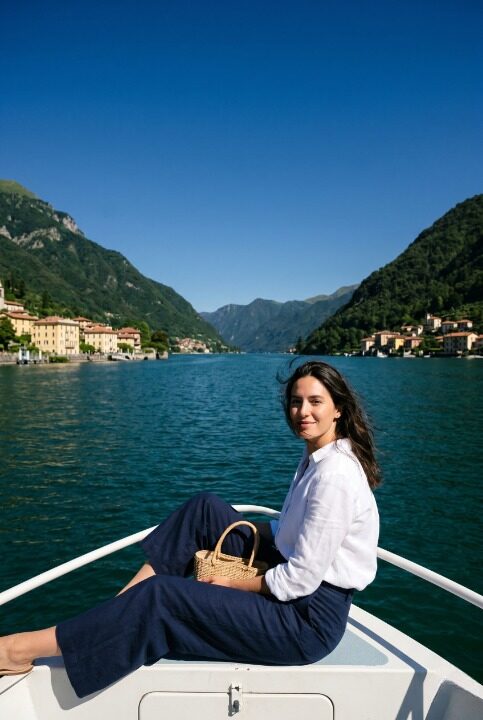
The ferry covers almost everything. The public service run by Navigazione Lago di Como connects all the main towns and is cheap, reliable, and far more enjoyable than sitting in traffic on the shore road.
The slow ferry (traghetto) makes all stops and takes the longest but gives you the most time on the water. The hydrofoil (aliscafo) is faster and makes fewer stops. The car ferry runs between Varenna, Bellagio, and Menaggio on a short crossing and carries cars as well as foot passengers.
Buy a day pass rather than individual tickets for each crossing if you plan to move between more than two or three towns. It covers unlimited travel on the public ferries and the maths works out from the third crossing onward.
The car ferry between Varenna, Bellagio, and Menaggio is the most useful single crossing on the lake. Fifteen minutes each way, runs frequently throughout the day, and gets you between the three main central lake towns without the long road route.
Walking between towns is not an option. The lake roads are busy and narrow with no footpath in most sections. The footpaths that do exist are steep and need proper footwear. Take the ferry.
Lake Como’s official tourism site has ferry schedules and village guides.
The Towns: Which Ones Are Worth Your Time
Varenna
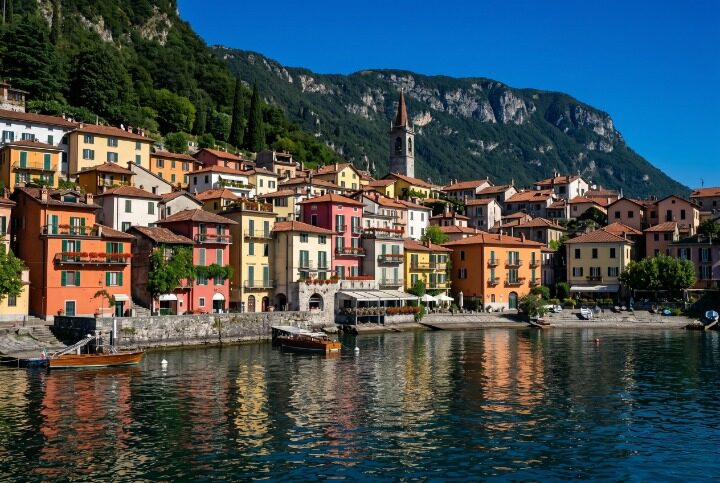
The right base on the eastern shore and the best overall base on the lake for an overnight stay. Smaller and quieter than Bellagio, better ferry connections, a small pebble beach below the town where you can swim off the rocks, and the Castello di Vezio above it with a clear view over the whole central lake. The Passeggiata degli Innamorati runs along the waterfront between the two main piazzas: a fifteen-minute walk that keeps the mountains on one side and the water on the other the whole way.
The restaurants on the main square are better than they need to be for a village this size. Varenna rewards slowing down.
Bellagio
Bellagio sits at the tip of the central promontory where the three arms of the lake meet and the view from the waterfront looking in three directions simultaneously is why it became famous. It is the most visited town on the lake and it shows in July and August. The streets are steep, cobbled, and narrow, and the crowds peak between eleven and three.
Go early or go late. The morning before the ferries from Varenna start bringing the day-trippers in, and the evening after they have gone, Bellagio is a completely different place. The Villa Serbelloni gardens above the town are the other reason to be there early: terraced and formal, with views down to the lake on both sides of the promontory. Book the garden tour in advance.
Menaggio
On the western shore opposite Varenna. Larger and more of a functioning town: a proper supermarket, a good range of restaurants, a long lakefront promenade where locals walk in the evening. A practical base if you want to explore the western shore north toward Gravedona and the Swiss border, or the hiking trails that start above the town.
Lenno and Tremezzo
The two western shore towns north of Menaggio that matter most. Lenno is where you catch the boat to Villa del Balbianello, which sits on a narrow wooded promontory and is the most photographed villa on the lake. Book visits in advance through FAI. Tremezzo has Villa Carlotta, a 17th-century villa with sixty species of rhododendrons and azaleas in the botanical garden, extraordinary in April and May when they flower.
Como town
The largest city on the lake and the one most visitors pass through rather than stay in. Worth a morning: the cathedral, the silk museum (Como has been producing silk since the 15th century), the lakefront gardens. If the lake itself is the point, base yourself further north.
The Villas: What to Know Before You Go
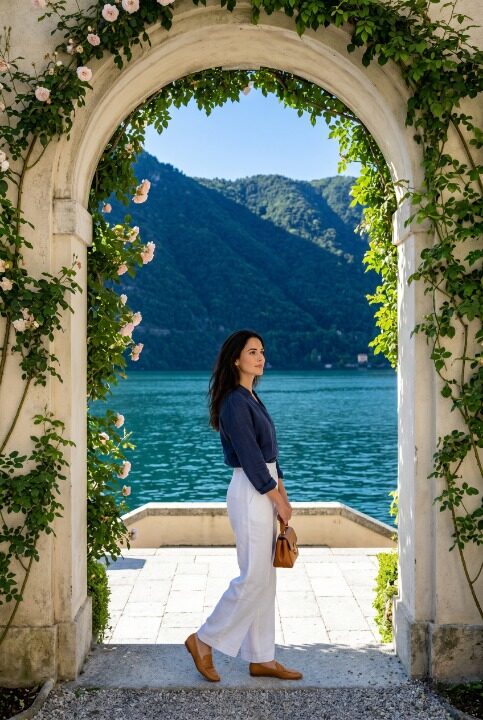
Most of the famous villas are private and visible only from the water, which is itself a reason to take the slow ferry rather than the hydrofoil. Three are open to visitors.
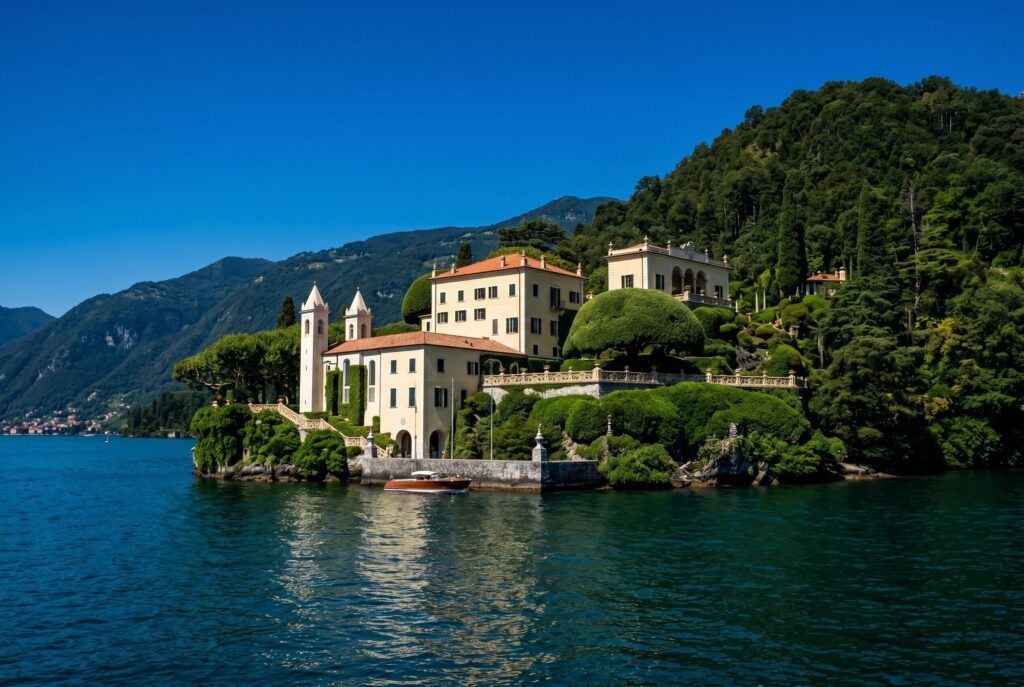
Villa del Balbianello, Lenno. A pale yellow facade and terraced gardens on a narrow wooded promontory, seen from the water in almost every Lake Como photograph ever taken. Used as a filming location for Casino Royale and Star Wars. Open Tuesday, Thursday, Saturday, and Sunday. Book through FAI in advance — it sells out on weekends in high season. Access by boat from Lenno or on foot along a marked path from the road.
Villa Carlotta, Tremezzo. A baroque villa with sixty species of rhododendrons and azaleas that turn the garden extraordinary in April and May. Open daily April through October. No advance booking needed for the gardens; the villa interior sells timed tickets separately.
Villa Monastero, Varenna. A former Cistercian monastery with a long narrow garden running along the waterfront below the town. Much quieter than the other two. A good hour in Varenna that most visitors miss.
What to Eat Around the Lake
The food around Lake Como is northern Lombard: freshwater fish, polenta, risotto, local cheeses, and butter-based cooking rather than the olive oil of the south.
Missoltino: Dried and salted agone, a small freshwater fish from the lake, served with polenta. The dish most specific to this stretch of water. Available at most traditional restaurants. The flavour is strong and smoky and not for everyone, but try it once.
Risotto con pesce persico: Perch risotto. The freshwater perch fished from the lake daily, cooked into a risotto with white wine and butter. Order it wherever you see it on the menu. It is the dish that most tells you where you are.
Polenta uncia: Polenta stirred with butter and local cheese until rich and slightly stringy. Listed as a winter dish on most menus but available year round at the more traditional restaurants.
Where to eat: Varenna has the best restaurants for its size. The Ristorante Il Cavatappi on the main square is worth booking. In Bellagio, walk up the hill away from the lakefront for better food at lower prices. Anything with a photograph on the menu at the waterfront is not the meal you want.
Practical Notes
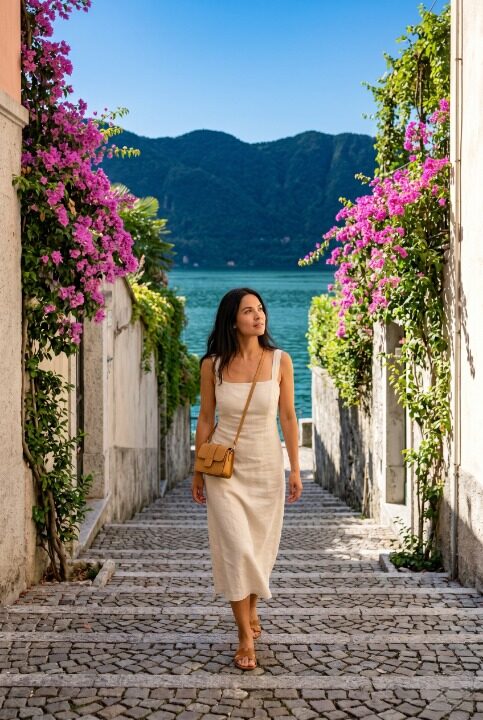
Check the ferry timetable before you plan your day. The full summer service runs roughly May through September. The winter service is reduced significantly. The current timetable is at the dock and on the Navigazione Lago di Como website.
Bellagio in peak season. The day-tripper peak runs roughly eleven to four in July and August. During those hours you will be sharing the narrow streets with a large number of people. Arrive before ten or after five.
Book villa visits ahead. Villa del Balbianello sells out on weekends. Book through the FAI website as soon as your dates are confirmed.
Swimming. The lake is clean and swimmable in summer. The pebble beach below Varenna is the most accessible. The rocks below the Passeggiata degli Innamorati have good entry points. Private lidos charge for sunbeds and facilities. Public access is free.
Afternoon thunderstorms. The mountains create their own weather. Storms build quickly in July and August and the ferry service may pause if conditions deteriorate. Check the forecast if you are planning a villa visit that depends on a boat.
How to Structure a Day Trip from Milan
One day:
Take an early morning train from Milano Centrale to Varenna-Esino, arriving before ten. Walk the Passeggiata degli Innamorati and up through the village. Take the car ferry across to Bellagio before the crowds build. Walk the steep streets, have a coffee in the square, visit the Villa Serbelloni gardens if you have booked ahead. Ferry back to Varenna or across to Menaggio for lunch. Train from Varenna back to Milan by early evening.
Three towns, two ferry crossings, no car, no queue.
Two days:
Add Villa del Balbianello from Lenno on the second day, reached by ferry from Varenna or Menaggio. A morning walk above Varenna to the Castello di Vezio for the view over the whole lake. The slow ferry north toward Gravedona and back for the upper lake mountain scenery.
Read Next
The Lake Como section of the Milan and Lombardy Travel Guide covers the lake as part of a broader Lombardy trip including Milan. For what to wear at the lake, the boat deck, the villa gardens, and the Varenna passeggiata, the Lombardy Capsule Wardrobe Guide has the full breakdown.
For the full Italy wardrobe picture across every region, the Complete Guide to Italy is where to start.
Planning a trip to Lake Como from Milan? The Milan and Lombardy Travel Guide covers the full Lombardy region including the city, the lakes, and everything in between.